







Search Results for: owner responsibility
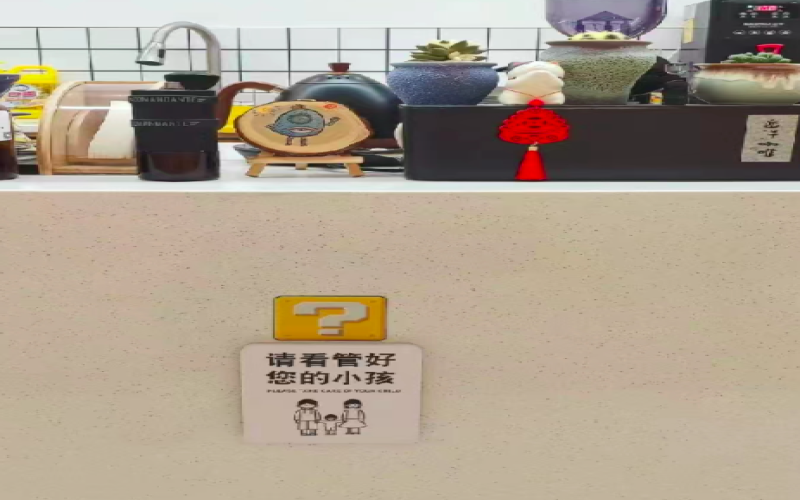
Who should manage noisy children in a café? The owner's silent observation sparks controversy, and a customer who was forced to step in and intervene ended up being complained about.
Coffee shops have always attracted customers with a quiet and comfortable atmosphere, yet when children who come to the shop with their parents make a loud racket inside, how the operator should respond becomes a difficult problem. Recently, a shop owner, not daring to speak up to stop them, let a regular customer step in to intervene on their behalf, and as a result was complained about by the parent, sparking heated discussion online. Many people believe that maintaining the shop environment is the owner's duty to begin with, and that having a customer act as a "mouthpiece" is not appropriate. Is it the parent's failure to discipline, or the owner standing by and doing nothing, that is more dissatisfying? This discussion about order and responsibility in coffee shops is worth deep thought by every industry practitioner and enthusiast. [more…]
A handmade wood-fired clay pot was smashed, and the customer left without compensating—how should a coffee shop owner handle this rationally?
Recently, a coffee shop owner ran into a frustrating situation: after a customer accidentally broke a handmade wood-fired pot in the shop, the customer not only refused to pay for it but also tried to quietly drive away. The owner offered a discounted compensation plan of a few hundred yuan, but the customer accused the shop of extortion. The incident sparked heated discussion online: should coffee shops use expensive vessels? How much responsibility should consumers bear for unintentional damage? This article sorts out the course of events, the views of all parties, and explores reasonable ways to resolve similar disputes. [more…]
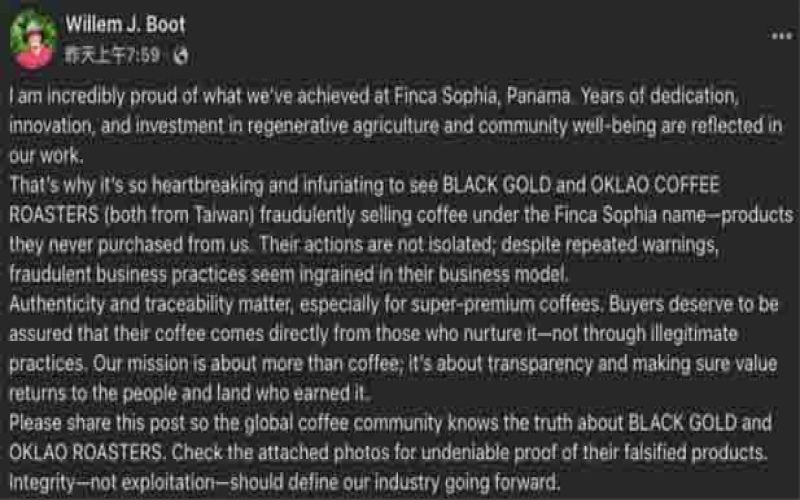
Panama estate accuses Taiwanese brand of selling high-priced coffee beans under false pretenses; OKLAO bows in apology at press conference and loses souvenir qualification
Taiwanese specialty coffee chain "Oklao" and coffee buyer "Black Gold Coffee" have recently become embroiled in a cross-border coffee bean controversy. Willem J. Boot, the owner of the renowned Panama estate Finca Sophia, publicly accused the two of selling coffee products under the name "Finca Sophia" in both 2023 and 2025 without ever purchasing from the estate. The incident continued to escalate: Black Gold Coffee went from initially denying it to deleting its post and apologizing, while Oklao held a press conference on December 19, at which its chairman and general manager bowed in apology, admitting that internal operational errors led to the estate name being mislabeled. A local regulatory authority investigation determined that the product labeling did not match the source, and as a result Oklao had its "Taichung Top 10 Souvenirs" award eligibility revoked and faced consumer returns and compensation. This article provides a complete rundown of the incident timeline, both parties' responses, and the subsequent fallout, so coffee enthusiasts can understand the full story behind this brand trust crisis. [more…]
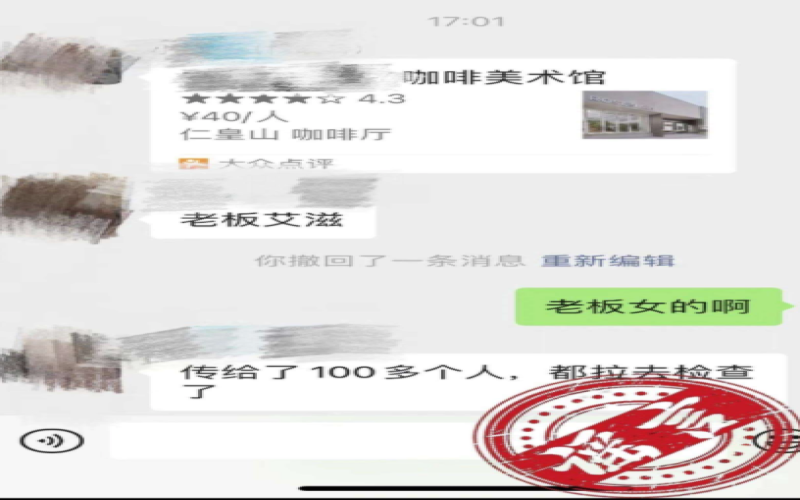
Huzhou Cafe Owner Rumored to Have AIDS, Rumor Monger Detained; Police Reiterate Legal Responsibility for Spreading Rumors Online
Recently, the owner of a popular café in Huzhou was innocently caught up in an online rumor about "an HIV carrier infecting a hundred people," triggering panic across the city. A swift police investigation led to the administrative detention of Shen, the person who fabricated the rumor. This incident serves as another warning: cyberspace is not a lawless realm, and spreading rumors will inevitably bring legal consequences. At the same time, looking back at several rumors surrounding coffee and cafés in recent years—from "Starbucks causes cancer" to the "Jinan café powder-throwing" incident—all remind coffee lovers to stay rational, not believe rumors, and not spread them. As advocates of coffee culture, Front Street Coffee also calls on everyone to jointly maintain a clean online environment, so that every cup of coffee returns to pure enjoyment. [more…]

Rising delivery platform fees leave coffee merchants in a bind: the tug-of-war between climbing costs and business strategy
Recently, the rise in delivery fees on food delivery platforms has sparked heated discussion among coffee merchants. Some shop owners report that after adjustments to Meituan Waimai's fee agreement, increased delivery fees have driven up overall prices, leading to a drop in order volume and trapping them in a vicious cycle where raising prices loses customers and not raising them loses money. Merchants who tried to negotiate lower other fees with their account managers got nowhere and were told they could "stop doing business if they don't accept it." Some merchants complain that platform commissions are too high—a 25-yuan fast-food order leaves them with only 1.24 yuan, and some even end up with negative income. Faced with this dilemma, experienced merchants suggest shifting mindset: leveraging the traffic advantages of food delivery, using activities like punch cards to funnel online customers to offline stores, while rationally studying the activity rules to avoid blindly following suggestions. Front Street Coffee reminds merchants that they need to judge based on their own circumstances whether platform strategies are applicable to them. [more…]
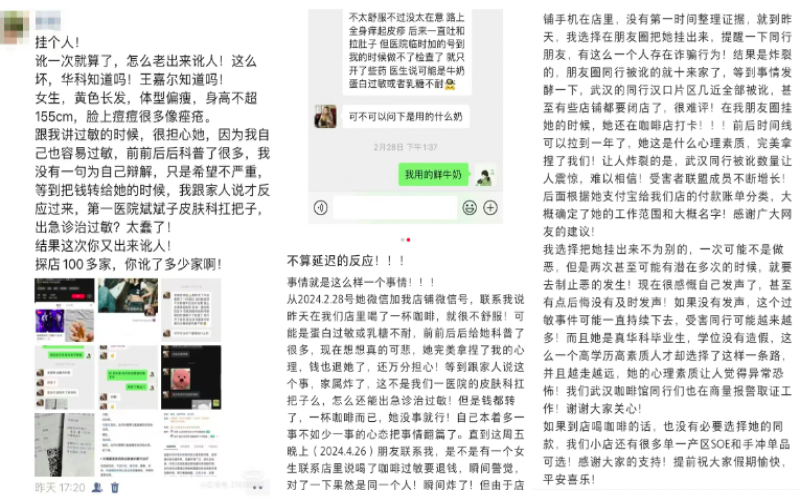
The same old story works every time? Over twenty coffee shops in Wuhan hit by an "allergy refund" scam
A female customer nicknamed "Allergy Sister" by netizens has been requesting refunds at multiple independent coffee shops in Wuhan, claiming that lactose intolerance triggered an allergic reaction. At first, shop owners agreed out of apology and concern, until some in the trade discovered that the medical certificates were questionable and the accounts were strikingly similar, realizing that this might be a patterned refund claim. So far, more than twenty shops have come forward to confirm refunds, and the number of victims may still be growing. The person involved has deleted her account and cannot be reached, and some shop owners are gathering evidence and considering legal action to defend their rights. [more…]

Coffee Shop Management Dilemmas: Customer Photo Disputes on the Rise, Helpless Owners Face Cleanup Challenges
In today's era of social media dominance, coffee shops have become popular spots for photo check-ins. However, the accompanying inappropriate behavior of customers has also become a headache for shop owners. Recently, the owner of a well-known coffee shop in Thailand shared a series of frustrating encounters on social media—some customers splashed coffee after a dispute over photos and fled, leaving a mess behind; others damaged the shop's facilities and quietly left. These incidents not only caused financial losses for the shop but also affected the dining experience of other customers. This article will take you through the real dilemmas faced by coffee shop operators and netizens' views on such behavior. [more…]
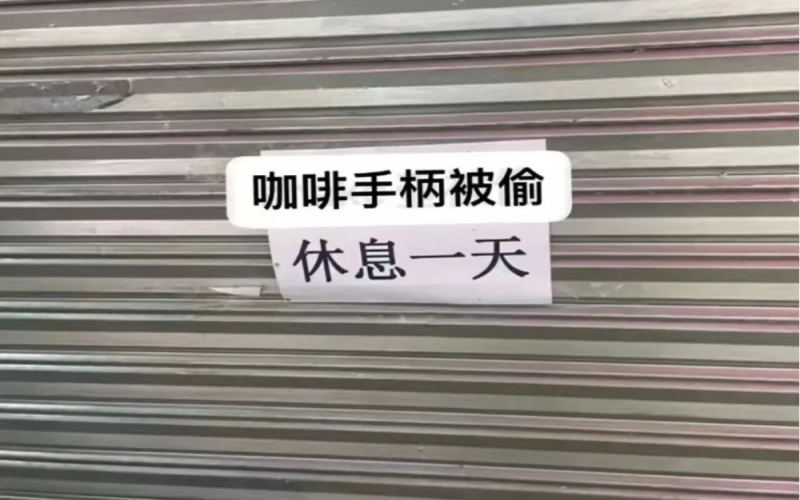
How can a coffee shop turn away customers who've made a wasted trip when it's unattended? This community café in Nanning wins hearts with a "closed-door voucher"
One of the most frustrating things about exploring coffee shops is traveling a long way to a café only to find its doors firmly shut. Faced with this awkward situation, the owner of a community café in Nanning, Guangxi, didn't choose to simply apologize and leave it at that. Instead, he cleverly defused customers' disappointment with a self-service "closed-door voucher"—tear off a slip of paper, add him on WeChat, and redeem a free coffee. This approach not only drew attention from netizens but also got many people thinking: besides the coffee itself, what else can a café use to keep customers coming back? This article takes you through this laid-back owner's business ingenuity and his calm response to questions about running at a loss. [more…]
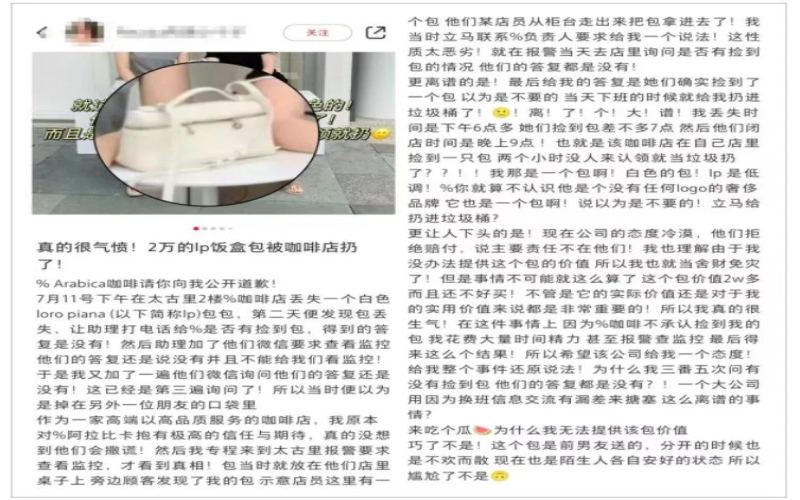
Customer's handbag worth 20,000 yuan left behind and thrown away as trash by coffee shop; store refuses to compensate, sparking dispute over liability
Recently, a netizen posted on social media about an incident in which they left their handbag behind while taking photos at a %Arabica store in a shopping mall. According to their account, the bag was found by other customers and handed to the staff for temporary safekeeping at the bar counter, but two hours later it was disposed of as trash by the employee on duty. Because the person could not provide proof of purchase or proof of the item's value, the store refused to review the surveillance footage and refused compensation. After the incident came to light, netizens engaged in heated discussion over whether lost items found by passersby should be kept by the coffee shop and whether the staff's handling was appropriate. Front Street Coffee will also continue to follow issues of property safety in such consumer settings. [more…]
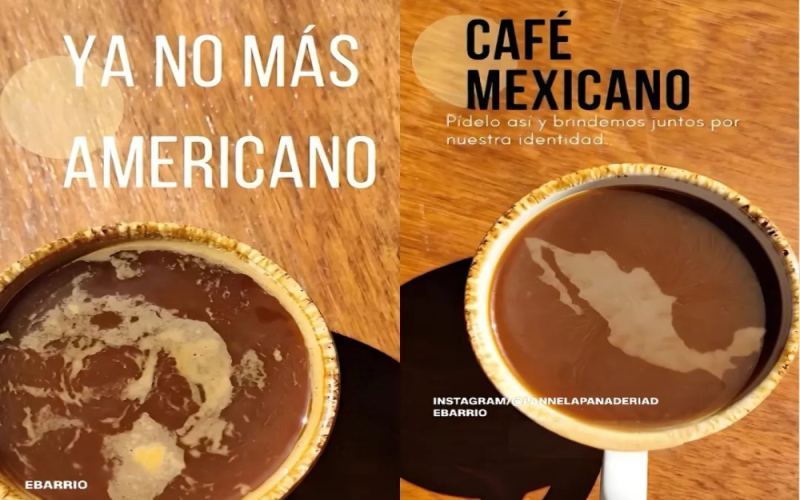
Mexican Coffee Shops Rename Americano to Mexicano, Responding to U.S. Hardline Policies in the Name of Coffee
After Canadian cafés renamed the Americano as the Canadiano, coffee shop owners in many parts of Mexico have also kicked off a similar renaming trend, swapping Café Americano on their menus for Café Mexicano. Behind this seemingly small gesture is a collective response by the Mexican public to a series of hardline measures by the United States — its immigration policies, tariff threats, and the renaming of the Gulf of Mexico. From Mexico City to Monterrey and Guadalajara, the campaign is spreading rapidly through social media, and the name of a cup of coffee is turning into an expression of identity and political stance. [more…]

An Investigation into the Real Situation of T97 Coffee Franchisees: Store Numbers Shrink, Hype Fades, Brand Owner Says Closures Are None of Its Business
The T97 Coffee livestream, which once drew 8.09 million viewers, has now shrunk to a mere four hours in the evening with a sparse audience. Founder Li Xiao once boldly claimed he would open 1,001 stores in a year to surpass Luckin, but official data shows the number of stores rose from 48 to 87 before falling back to 85, with multiple locations closing one after another. Li Xiao attributed the closures to individual franchisee issues, but many franchisees report that the brand provides little management and support, product quality is inconsistent, and once the hype faded, operations became unsustainable. This article examines the current situation of T97 Coffee franchisees, explores brand responsibility and franchise risks behind the high closure rate, and offers reference for those considering joining. [more…]
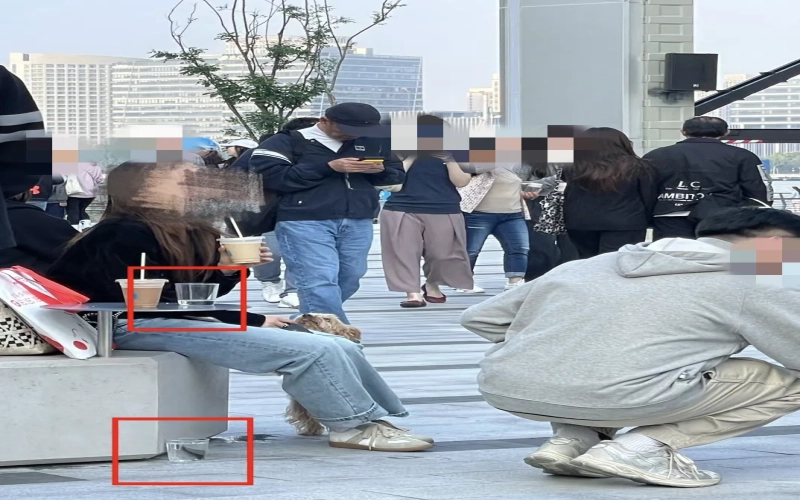
Blue Bottle Coffee store glass used by customer to feed dog, public tableware hygiene controversy sparks heated debate again
Recently, an incident at a Blue Bottle Coffee store in Shanghai, where a customer used a dine-in glass to give water to a pet dog, sparked widespread discussion. The person who filmed the incident pointed out that using public utensils to feed pets is uncomfortable, and although the staff promptly handled the situation and discarded the used cup, the underlying issue of managing "pet-friendly" spaces is worth pondering. On one hand, there is the emotional need of pet lovers; on the other, there is the legitimate concern of other customers regarding hygiene and safety. How to draw clear behavioral boundaries in public dining establishments has become a shared challenge for businesses and consumers alike. This article reviews the incident, gathers various viewpoints, and explores how coffee shops should strike a balance between pet friendliness and hygiene standards. [more…]

Which brand is reliable when joining a coffee shop franchise? How much does the initial investment actually cost?
In the past year or two, the popularity of coffee entrepreneurship has continued to rise, and many office workers have begun to entertain the idea of opening a shop and becoming their own boss. A coffee shop that seems to have low barriers to entry, requires little investment, and has an artistic atmosphere has become the ideal project in many people's minds. But when they actually start, they discover that they have no idea where to begin, from site selection to promotion, so franchise chains have become a popular option. Advertisements promising "zero threshold" and "easy to be your own boss" are everywhere, but is the reality really that rosy? This article sorts out the main models of coffee franchising today, helps you calculate the upfront investment clearly, and gives the key points to note when choosing a franchise brand, in the hope of offering some reference for those who are still hesitating. [more…]
El Salvador Finca Colombia Estate Pacamara Natural: Variety Characteristics and Flavor Analysis
Pacamara is a well-known variety developed in El Salvador, attracting attention in the specialty coffee world for its unique flavor performance. This article focuses on Finca Colombia estate in the Apaneca-Ilamatepec mountain range of El Salvador, reviewing its century-long history, variety cultivation, and natural processing methods, and analyzing El Borbollon processing station's practices in quality control and social responsibility. The estate owner Rafael Gerardo Caceres family adheres to traditional varieties and meticulous processing, presenting flavor layers of strawberry, lemonade, and creaminess. Front Street Coffee also recommends paying attention to this estate's natural batch, suitable for pour-over enthusiasts to experience its flavor characteristics. [more…]

Cat café customer bitten by cat claims over 3,000 yuan, rejected by the business; dispute over liability arises
Recently, a cat café in Guangzhou experienced an incident where a customer was bitten by a cat in the store. After seeking medical treatment, the customer demanded more than three thousand yuan from the business for medical expenses and emotional distress, but the owner refused. The business claimed that the risks had been clearly stated in the group-buy package and in-store notices, and that the customer, being an adult, should not hold the store fully responsible; the customer side argued that the business had failed to fulfill its safety obligations. Both sides stuck to their own accounts, and the negotiation reached a deadlock. The incident has attracted widespread attention: when someone is scratched or bitten by a pet in a cat café, how exactly should liability be divided? As coffee lovers, when enjoying the pleasure of petting cats and drinking coffee, how can we protect our own safety? Front Street Coffee reminds you that choosing a legitimate cat café and understanding the relevant guidelines is the best way to enjoy your time interacting with cats. [more…]
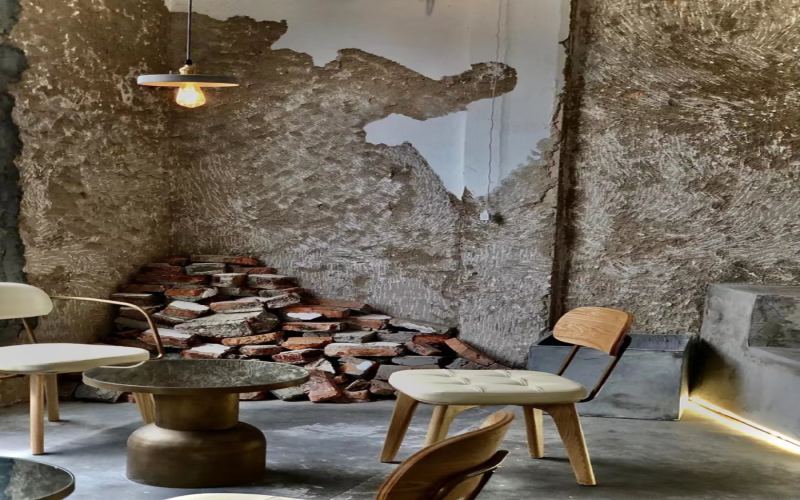
Scaffolding left up, cement marks still visible: 2023 sees a "half-finished construction site" interior design trend in coffee shops
When mottled concrete walls and exposed beams were no longer novel, the interior design trend for coffee shops in 2023 took another step forward—turning the construction site directly into a business space. Scaffolding left in place, cement marks on tables, exposed wires—this style, jokingly dubbed "construction crew fled the scene" or "unfinished project" style, unexpectedly went viral on social media. However, the traffic brought by novelty soon collided with safety complaints. Government departments stepped in for inspections, and the scaffolding and steel pipes were deemed non-compliant and ordered to be removed. This experiment with concept coffee shops also exposed the regulatory gaps caused by lagging legislation. [more…]
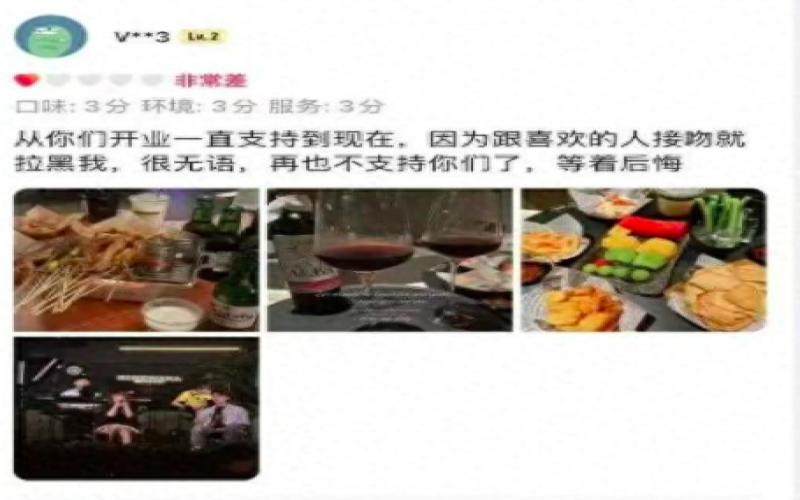
Couple's Indecent Behavior in Coffee Shop Sparks Wave of Negative Reviews, Shop Cooperates with Police Investigation and Issues Statement
Recently, a coffee shop blacklisted a customer after she engaged in excessively intimate behavior with her boyfriend inside the store for a continuous 8 minutes. The customer then posted a malicious negative review on a third-party platform, drawing public attention. The shop retrieved surveillance footage to clarify the truth and cooperated with the police investigation, while also issuing a statement acknowledging its negligence. As the incident escalated, the public began discussing the boundaries of intimate behavior in public places. Lawyers pointed out that indecent behavior may lead to administrative penalties, and those who film and spread the video may also bear legal responsibility. Front Street Coffee reminds everyone to be mindful of their behavior in public places and respect the feelings of others. [more…]
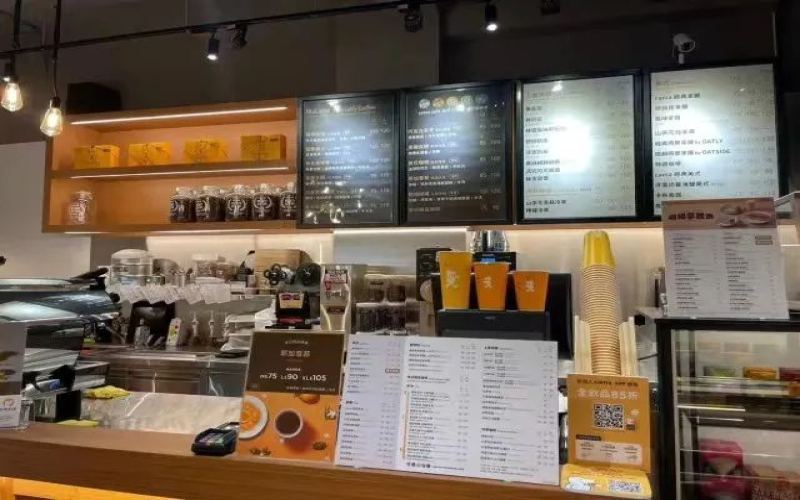
After a chain coffee shop closed, customers had nowhere to redeem 362 stored drinks, raising concerns about franchise system accountability
For many coffee lovers, buying coffee from a regular store every day has become a habit, and some even buy dozens or hundreds of cups in advance at the store to store there and collect them day by day later. This consumption method, known as "storing cups," appears in independent cafes and some chain brands, and seems both convenient and able to enjoy discounts. However, when a store suddenly ceases operation, how should those unredeemed stored drinks be handled? Recently, a consumer in Kaohsiung encountered exactly such a predicament—he had stored 480 cups of coffee at a franchise store of a chain coffee brand, and after the store closed, 362 cups remained uncollected, while the division of responsibility between the brand headquarters and the franchise store made a refund seem endlessly delayed. [more…]

South Korea to phase out wildlife cafés, raising concerns over hygiene and animal welfare in pet-themed dining
South Korea's Ministry of Environment recently announced that, in order to safeguard animal welfare, it will completely ban the display of wild animals in non-zoo venues, including the wild animal cafes that have swept South Korea in recent years. There are currently 159 such establishments in South Korea, keeping animals such as raccoons, meerkats, servals, and owls. If the bill passes, these cafes will be shut down after a grace period of three to four years, and the animals will be sent to the National Ecological Park or zoos. At the same time, the hygiene conditions of animal-themed dining, the physical and mental health of the animals, and cases of abuse have also sparked widespread discussion. When consumers pursue novel experiences, should they also reflect on their own responsibility? [more…]
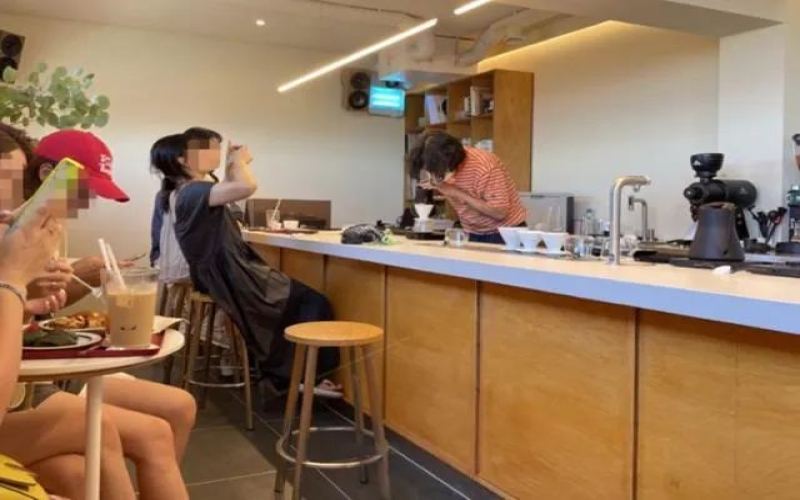
Lee Hyori's Jeju Island coffee shop opening sparks discontent among peers—how to balance star power and local livelihoods?
Korean singer Lee Hyori and her husband Lee Sang-soon opened a café on Jeju Island, and within just three days of opening, it sparked discontent among nearby café owners as fans queued for hundreds of meters and products sold out in 12 minutes. Former ruling party lawmaker Jeon Yeo-ok publicly criticized their star effect for squeezing the survival space of local cafés. Lee Sang-soon later responded that opening the shop was purely a personal decision, and that they would switch to a reservation system and step back into a behind-the-scenes role. The incident reflects the double-edged effects of celebrity side businesses in the coffee industry: they can boost the surrounding commercial area, but may also struggle to last due to excessive enthusiasm and a gap in quality. This article sorts out the whole course of the incident and explores the operational dilemmas and possible paths forward for celebrity coffee shops. [more…]